

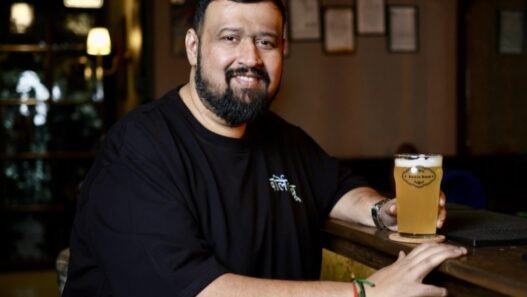




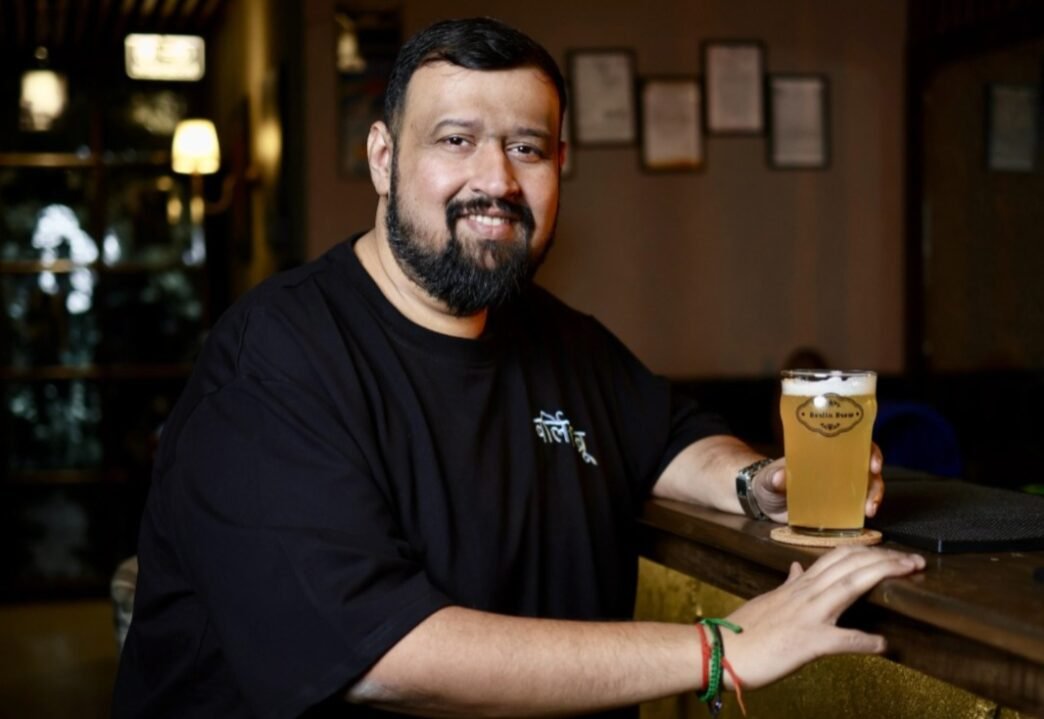
In India’s evolving food and beverage landscape, building a hospitality brand takes more than a compelling concept; it demands vision, adaptability and an understanding of what makes people connect with an experience. As the founder behind Berlin Brew, BCB and BOHO, Aniket Patil has been building distinct hospitality concepts with individual identities and consumer appeal. In this International Men’s Day conversation with The Stylewire, he reflects on the realities of entrepreneurship, the importance of people and operational discipline, changing consumer expectations, and what it takes to build hospitality businesses that stand the test of time.
What has been your biggest learning about turning a business idea into an experience that people genuinely connect with?
I think the biggest learning has been understanding that a strong hospitality business is built on much more than just the food, drinks or interiors. It is about creating an overall experience and making people feel a certain way when they walk into your space. With concepts like Berlin Brew, BCB and BOHO, the focus has always been on building distinct identities rather than simply opening another restaurant or bar. Each concept needs to have its own personality, appeal and reason for people to connect with it.
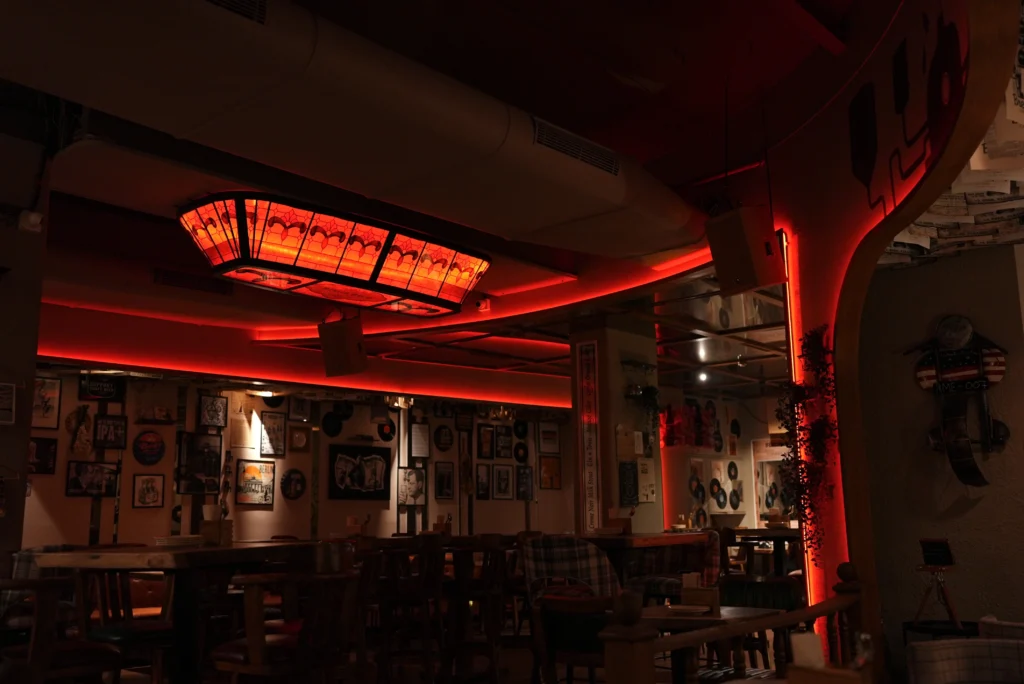
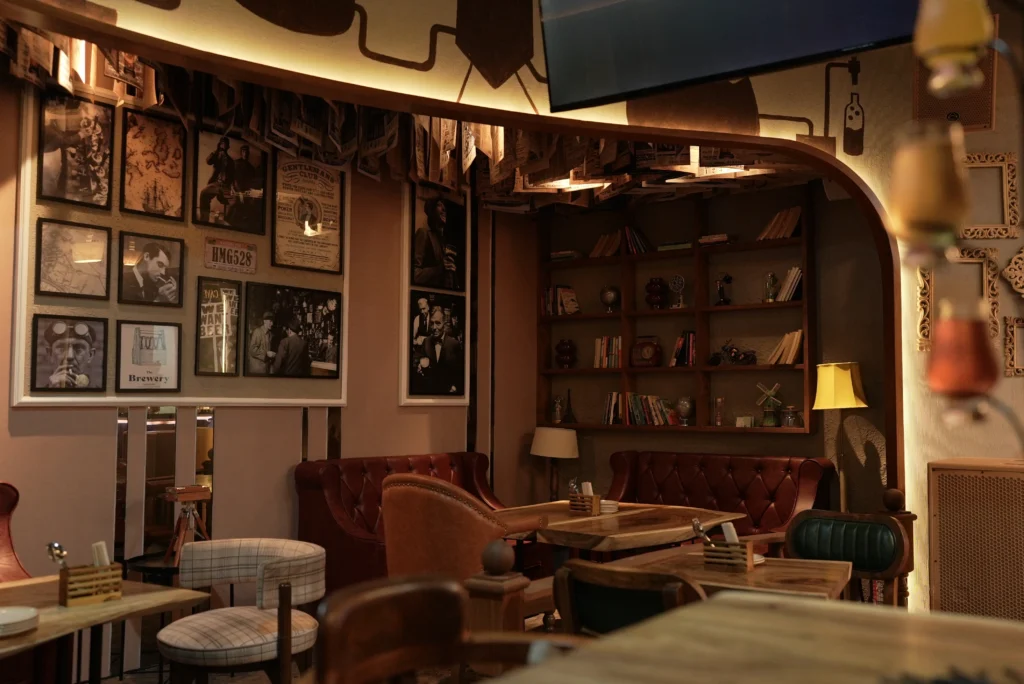
At Berlin Brew, for instance, the idea was to bring the spirit of Berlin’s beer culture to Mumbai while giving it a distinct local character. It was about interpreting that culture in a way that would resonate with the Mumbai audience. Ultimately, the biggest takeaway has been that while customers may walk in for the product, what makes them return is the experience, consistency and emotional connection they build with the space. That is what turns a business idea into something people genuinely connect with.
What consumer behaviour changes will define the next chapter of India’s hospitality industry, and how are you preparing your brands?
Indian consumers are becoming increasingly experimental, more exposed to global trends and more willing to explore new cuisines, beverages and hospitality formats. There is a growing curiosity around craft beer, different flavour profiles and the experiences that come with brewing and dining.
Another noticeable shift is that consumers are looking for more than just a meal or a night out. They want spaces where they can socialise, discover something new and create memorable experiences. The overall atmosphere and the kind of experience a brand offers are becoming just as important as its core product.
Our approach is to continuously evolve our offerings, introduce new experiences and stay relevant to changing consumer preferences, while retaining the individual identity of each brand. The idea is to adapt with the consumer without losing what makes each concept distinctive.
How do you balance commercial success, employee well-being and customer expectations?
Hospitality is fundamentally a people-driven business, and the quality of the experience we offer depends heavily on the people delivering it. I believe commercial success and employee well-being should complement each other rather than be treated as separate priorities. A motivated and well-supported team is essential to maintaining service standards, consistency and the overall customer experience.
At the same time, financial discipline is equally important. Every business decision needs to make commercial sense, but not at the cost of compromising on product quality or the experience we promise our customers.
He added, For me, the balance comes from building the right culture, putting clear systems in place and empowering teams to take ownership of their responsibilities. When people understand their roles and feel valued, it reflects in the way they work, the service they deliver and ultimately the success of the business.
What makes a hospitality brand truly memorable today?
Replying to it Mr. Aniket mentioned, My personal belief is that a memorable hospitality brand is a combination of its product, atmosphere, people and, most importantly, the emotional connection it creates with its customers. A good product may attract people initially, but consistent quality, service and the overall experience are what encourage them to come back.
Every brand also needs to have a distinct personality and identity that customers can recognise, relate to and connect with. It is important to create something that stands out while remaining consistent with what the brand promises.
For me, the real achievement is when customers begin identifying with a brand and making it a part of their lifestyle rather than treating it as just another place to visit. When a brand becomes a part of someone’s regular choices, social experiences and memories, that is when it has truly built a connection.
What has entrepreneurship taught you about resilience, handling uncertainty and knowing when to rethink and rebuild?
Entrepreneurship has taught me that resilience is about taking responsibility, navigating challenges and continuing to move forward even when things do not go as planned. Building a business comes with its share of uncertainties, and learning to manage them is an important part of the journey. In hospitality, consumer preferences, operating costs and market conditions are constantly evolving. This makes it important to understand the business landscape, anticipate challenges and make informed decisions at the right time.
One of my biggest learnings has been to remain emotionally invested in the vision but objective when making business decisions. I believe knowing when to step back, reassess and make necessary changes is an important quality of leadership. Rebuilding or changing direction should not be seen as a setback, but as an opportunity to learn, strengthen the business and move forward with greater clarity.
What is one belief you had when you started your entrepreneurial journey that experience has completely changed?
When I started my entrepreneurial journey, I was driven by the belief that a strong idea, passion and the determination to make it happen were enough to build a successful business. With experience, I have realised that while these are important starting points, the real journey begins once you get into the everyday realities of running a business.
Over the years, I have learnt that execution, managing people, financial discipline and building the right operational systems are just as important as the original vision. In hospitality, opening an outlet and seeing people respond to your concept is exciting, but the real challenge is ensuring that the business can sustain itself and deliver the same experience consistently as it grows.
Additionally, I have also learnt to be more patient and value the processes behind the business. Not every decision delivers immediate results, and not every stage of growth looks the same. Today, I see entrepreneurship less as simply building something new and more as building something that lasts, without losing the identity and values it was founded on.
This International Men’s Day, Mr. Aniket Patil’s perspective offers a look at leadership beyond titles and milestones one shaped by resilience, accountability, people and the conviction to build something that lasts.
READ MORE: International Men’s Day : Thoughtful Gifts for Every Kind of Man


