





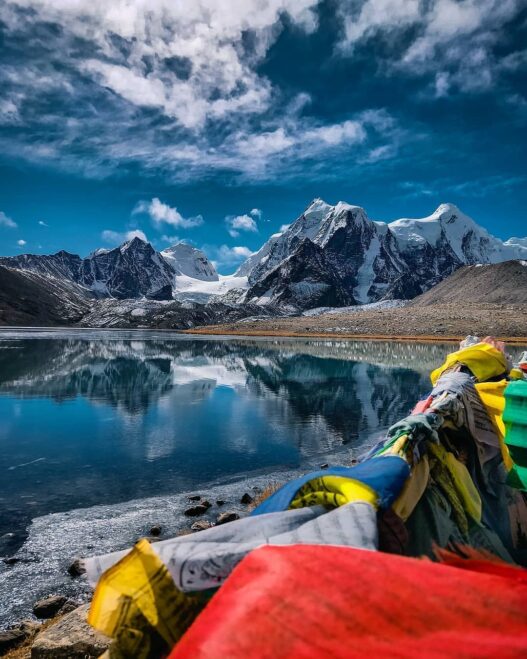
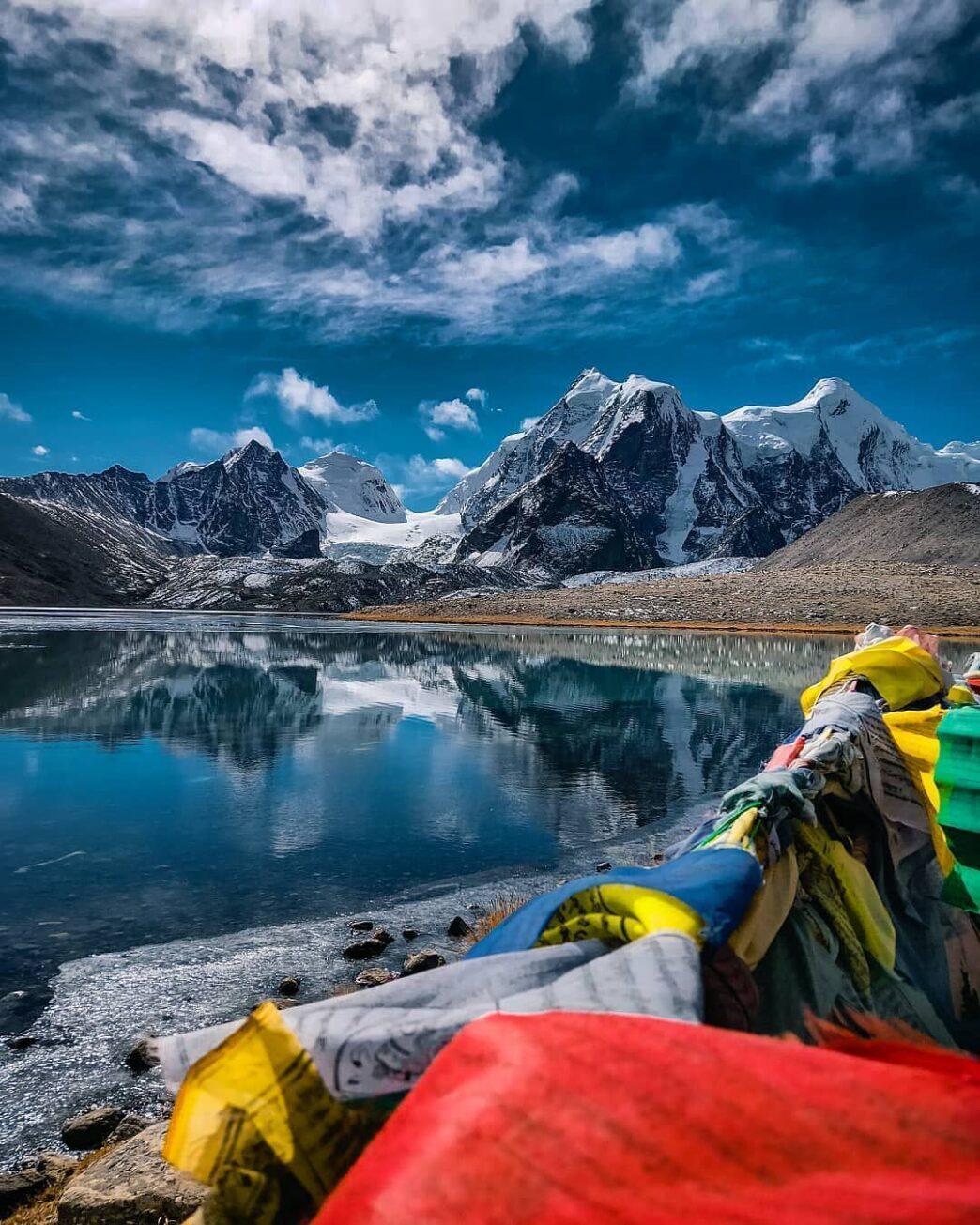
Nestled in the eastern Himalayas, Gangtok has a way of making you notice the little things the clouds drifting across the hills, prayer flags moving with the wind, the warmth of a bowl of thukpa and the easy rhythm of life along its winding streets. Exploring the city is less about ticking off attractions and more about understanding the landscape, culture and people that give Sikkim its character.
The city’s mountain setting is impossible to ignore. Green slopes surround Gangtok, while mist and changing weather constantly reshape the views. One moment, the hills appear sharply against the sky; the next, everything disappears behind a veil of clouds. It is this unpredictability that makes simply stepping outside feel like part of the experience.
Begin at MG Marg, the centre of Gangtok’s everyday life. The pedestrian promenade brings together cafés, restaurants, local shops and travellers, but what makes it interesting is the opportunity to simply observe the city. An evening walk here gives you a sense of how locals spend their time, with families, friends and visitors sharing the same relaxed space.
For a deeper connection with Sikkim’s cultural heritage, make time for Rumtek Monastery. Set amid the mountains, the monastery offers a peaceful change from the energy of the city and an opportunity to understand the region’s Buddhist traditions. The architecture, prayer spaces and surrounding landscape make the visit feel as much cultural as visual.
Ganesh Tok is another worthwhile stop, particularly for its panoramic views over Gangtok. Perched at a higher altitude, the viewpoint offers a different perspective of the city, and on a clear day, the surrounding mountains become the main attraction.
Food deserves its own place on a Gangtok itinerary. Momos and thukpa are obvious favourites, but exploring local eateries can reveal much more of the region’s Tibetan, Nepali and Sikkimese influences. The city’s café culture adds another layer, with cosy spaces that are ideal for lingering over coffee while watching the weather shift outside.
What also stands out is the warmth of the people. Gangtok feels welcoming without losing its sense of everyday life. Conversations with local shopkeepers, the pace of small neighbourhoods and the hospitality found in cafés and restaurants make the city feel personal rather than simply touristic.
And then there are the roads. A journey through Gangtok is rarely a straight line, with winding mountain routes opening up to unexpected viewpoints, villages and stretches of greenery. If you have the time, allow yourself to take the scenic route rather than treating every drive as a transfer between destinations.
The best way to experience Gangtok is to leave some space in your itinerary. Explore the landmarks, but also walk without a plan, stop for local food, sit with a cup of tea and let the mountains dictate the pace.
Gangtok stays with you not simply because of what you see, but because of how the city makes you feel closer to nature, more present and, perhaps, a little more willing to slow down.
READ MORE: A Stay Inside Kolkata’s History: The LaLiT Great Eastern Experience




[…] Gangtok:Traveller’s Guide to the City […]