




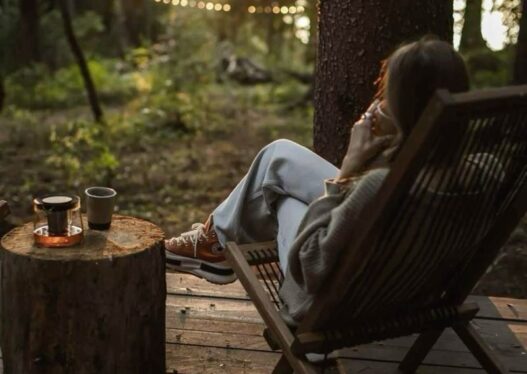
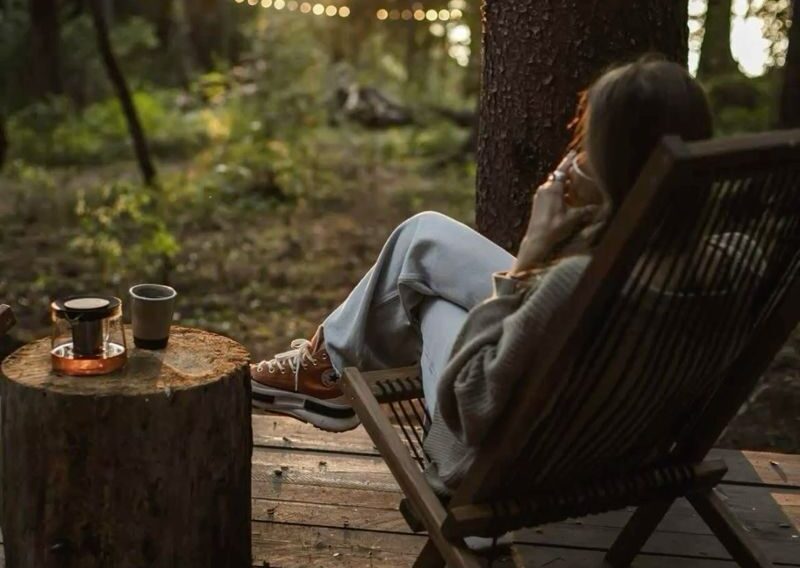
Something quiet is happening on Sunday mornings across Indian cities. The productivity podcasts are staying paused. The side hustle spreadsheets are staying closed. And a generation that spent its early twenties optimising every waking hour is collectively, almost defiantly, choosing to do absolutely nothing.
It is not laziness. It is a decision.
For 25-year-old Mumbai-based marketing professional Anvi, the shift happened after a Sunday she spent entirely on back-to-back work calls. “I realised I hadn’t eaten a proper meal, hadn’t spoken to anyone I actually loved, and hadn’t stepped outside once,” she says. “That was the Sunday I decided something had to change.” Now her Sundays begin without an alarm, move toward a slow cooked breakfast, and contain an unwritten rule against opening her laptop before evening.
The generation currently in its mid-twenties grew up during a particular cultural moment. The rise of hustle culture, the glorification of the grind, and the social media performance of productivity created a world where rest required justification and free time felt like failure. Weekends became overflow containers for everything the workweek could not hold. Upskilling courses, networking brunches, fitness challenges, passion projects. Sunday became Monday’s ambitious younger sibling.
Pratham, 26, a Bengaluru-based software developer, describes it with the clarity of someone who has been on both sides. “There was a point where I was doing an online course, working on a freelance project, and meal prepping all on Sunday. I thought I was winning,” he says. “I was exhausted by Monday morning and I had no idea why.” His Sundays now involve a long walk, cooking something that takes time, and reading without a purpose attached to it. “I am not building toward anything on Sunday anymore. That is the whole point.”
What is driving this shift is partly burnout, partly a growing body of research around rest and cognitive restoration, and partly something harder to quantify. A dawning awareness that a life lived entirely in preparation for future productivity is not actually a life being lived at all.
Shipra, 25, who works in content strategy in Delhi, frames it in terms her generation understands instinctively. “We were so online, so available, so responsive all the time that we forgot what it felt like to just exist without performing,” she says. “A slow Sunday is almost radical now. Cooking a dal from scratch, calling my mother, sitting with chai and not scrolling. It sounds ordinary. That is exactly why it feels extraordinary.”
There is a broader cultural recalibration happening here that deserves to be named. Rest is being reclaimed not as a reward for productivity but as a right independent of it. Sunday is being reinstated not as the day before Monday but as a day that belongs entirely to the person living it.
Slow is not the opposite of ambitious anymore. For this generation, it might just be the most ambitious choice of all.
READ HERE: From Runway Rush to Restful Pause: ibis Mumbai Airport