






By Dr. Ramesh Katwea, Physiotherapist (15+ years), Founder of Global Physiotherapy Clinic, Gurugram and Consultant to Celebrities & Sportspersons
As temperatures drop, many of my patients ranging from active professionals to sportspersons and even celebrities report a noticeable increase in joint stiffness and pain. This seasonal rise in discomfort is not just a perception; winter does exert physiological effects that make joint-related issues more prominent. Understanding why this happens and what you can do about it is the first step towards a comfortable and active winter.
Cold weather leads to a drop in barometric pressure, which causes tissues around the joints to expand slightly. This can increase stiffness, especially in individuals with arthritis, old injuries, vitamin deficiencies, or muscle imbalances. Additionally, cold air reduces blood circulation to peripheral tissues, slowing muscle flexibility and joint lubrication.
Another factor often overlooked is reduced physical activity. Shorter days, lower temperatures, and indoor routines mean many people move less. Reduced movement naturally leads to tighter muscles, weaker support structures, and aggravated joint pain.
Common Joints Affected
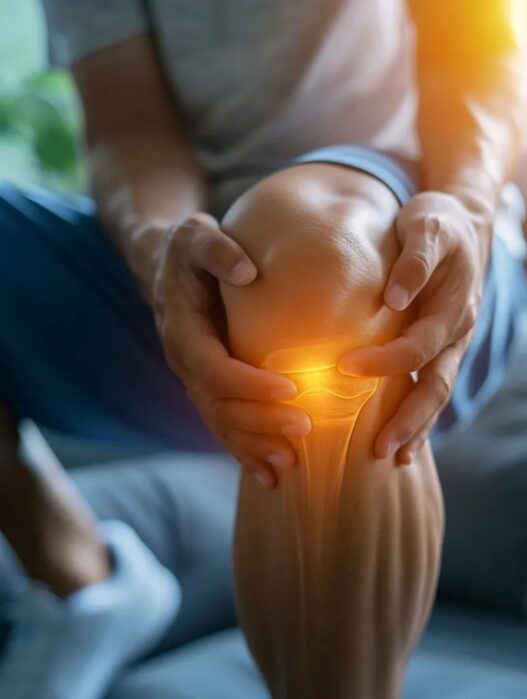
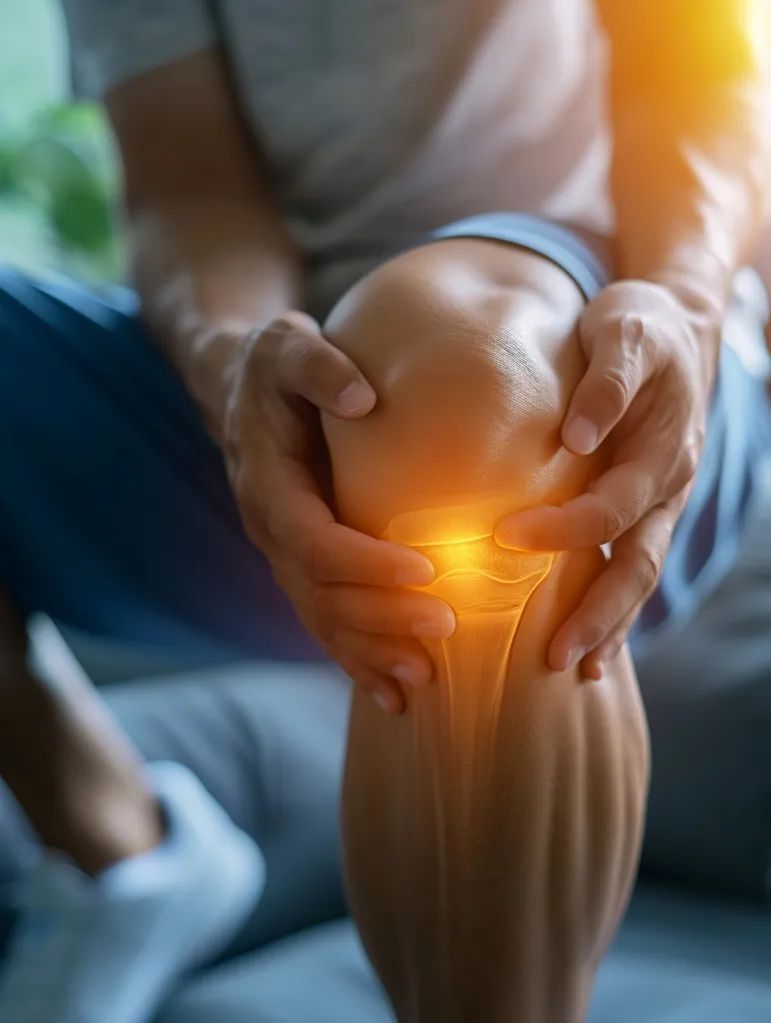
- Knees: Particularly in individuals with osteoarthritis or previous ligament injuries
- Shoulders: Frozen shoulder symptoms often worsen
- Lower back: Cold-induced muscle spasms and stiffness
- Wrists & fingers: Especially among those with repetitive-strain jobs
How to Minimise Winter Joint Pain
To maintain mobility during the colder months, I recommend a combination of proactive care and targeted lifestyle modifications.
1. Keep the Body Warm & Protected
Heat improves circulation and reduces stiffness. Dress in layers, protect the knees and lower back, and use warm compresses when discomfort spikes. Warm baths, especially with Epsom salt, can provide temporary relief.
2. Maintain Movement
Even 20–30 minutes of light daily exercise can make a noticeable difference.
I advise my patients:
- Begin mornings with gentle mobility routines
- Do low-impact exercises like brisk walking, cycling, or swimming
- Add simple strengthening exercises for knees, core, and shoulders
3. Prioritise Joint-Friendly Nutrition
Anti-inflammatory foods such as turmeric, ginger, walnuts, avocados, and omega-3 rich foods support joint lubrication.
Adequate vitamin D, calcium, and B12 are crucial deficiencies often intensify winter joint issues.
4. Stay Hydrated
Many forget to drink water in cold weather. Hydration maintains cartilage health and reduces stiffness. Herbal teas and warm water are excellent alternatives.
5. Pre- and Post-Activity Precautions
- Pre-activity: Warm-up for 5–7 minutes to prepare muscles and joints
- Post-activity: Gentle stretching to prevent stiffness buildup
For sportspersons, I recommend structured warm-up cycles and protective taping when necessary.
6. Seek Physiotherapy Early
If pain persists beyond a few days or restricts your daily movement, early physiotherapy can prevent worsening. Targeted manual therapy, therapeutic exercises, dry needling, or ultrasound therapy often provide significant relief. Recognizing symptoms early is crucial for preventing long-term joint damage.
Winter joint pain is manageable with the right awareness and timely intervention. Stay warm, stay active, and listen to your body. The goal is not just to reduce pain but to enhance your joint mobility and overall quality of life throughout the season.
If symptoms continue or worsen, do not delay consulting a qualified physiotherapist. Early care can help you remain pain-free and active even in the coldest months.
READ MORE: Year of Smart Travel: How Tech Transformed the 2025 Staycation Experience