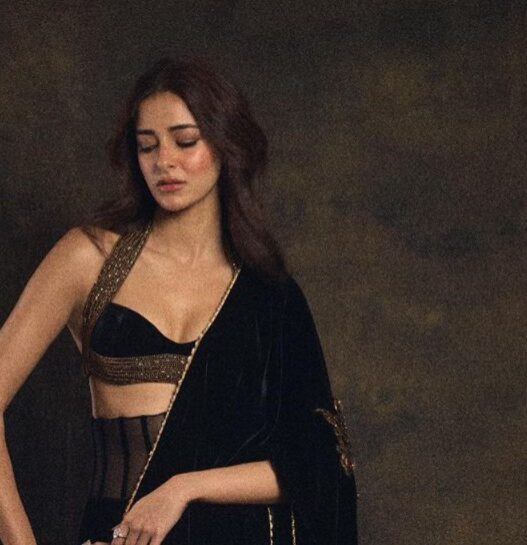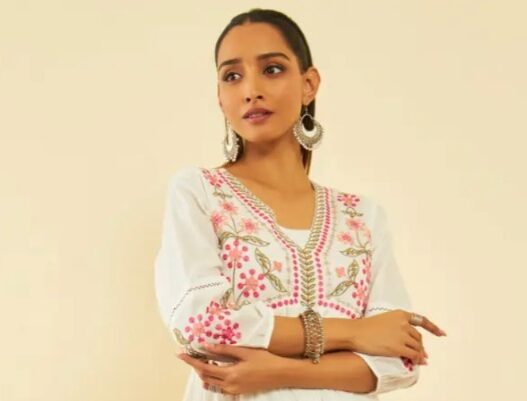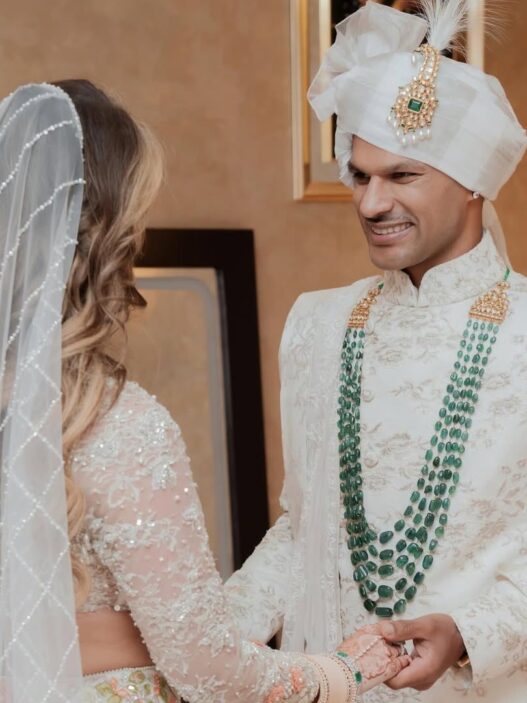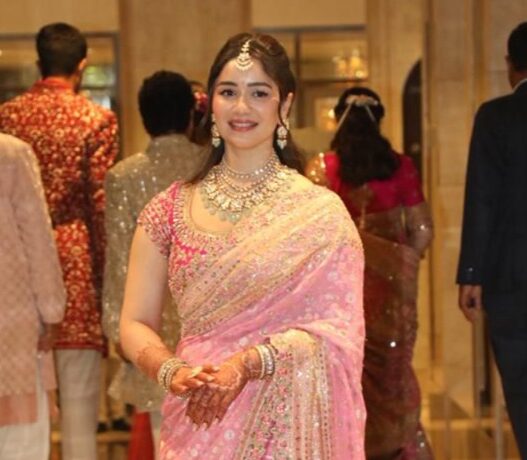





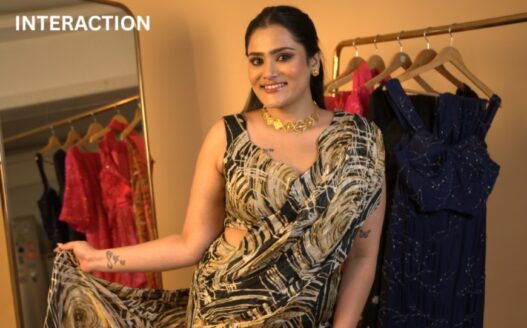
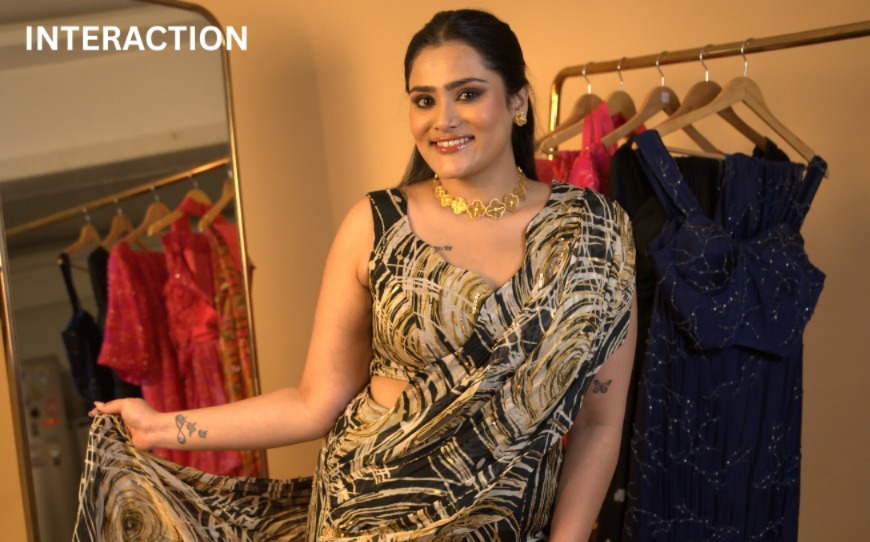
Shivani Nirupam is the founder and creative force behind Label Shivani Nirupam, known for her narrative-driven prints and emotionally rooted design language. Her work blends artisanal craftsmanship with contemporary sensibilities, creating wedding and occasion wear that feels intimate, personal, and timeless. Through collections like Phool Bazaar and Bambai Ki Baarish, she has carved a distinctive space in Indian fashion where storytelling, memory, and conscious design come together. During an interaction we asked why prints are the future of Bridal fashion in 2026.
Weddings today are deeply personal. How do you translate a couple’s story, culture, or mood into prints and themes for their wedding wardrobe?
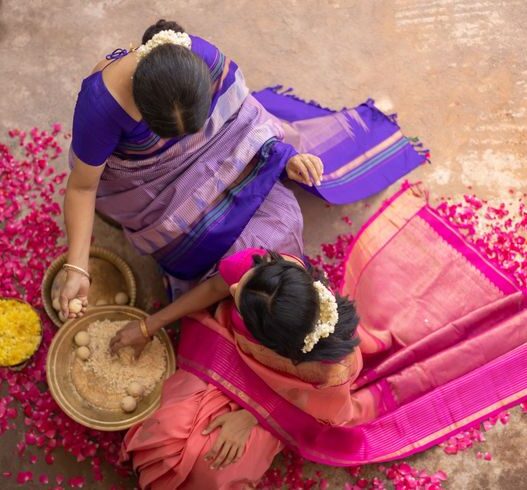
Every wedding begins with conversation. I like to understand the couple’s background, their families, the rituals they hold close, and the emotional tone they want the wedding to carry. Prints help translate these layers in a subtle way. Sometimes they emerge from a cultural detail, sometimes from a shared memory or a place that feels important to them. Much like Phool Bazaar, where everyday moments became the starting point, the aim is to create prints that feel intuitive and deeply personal, never loud, but familiar, as though they’ve always belonged to the couple.
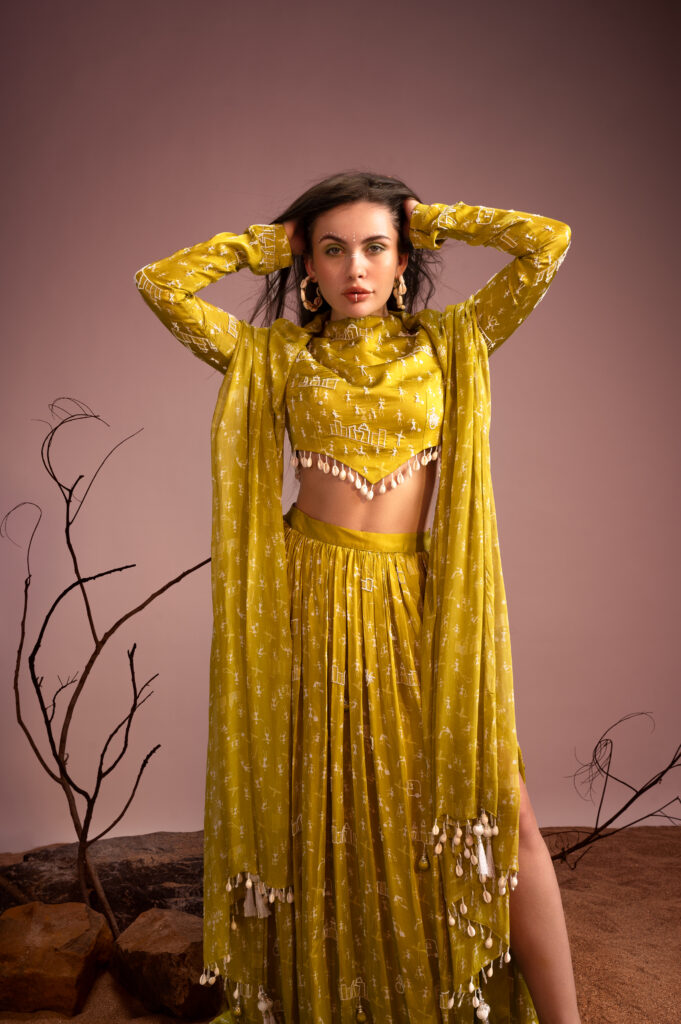
Traditional bridal colours are evolving. What role do prints play in redefining wedding palettes for the modern Indian bride and groom?
Replying to it Shivani said; Prints allow colour to move beyond rigid definitions and feel more expressive. While traditional hues continue to hold emotional value, modern couples are open to softer, layered palettes. Through prints, colour can be muted, textured, and nuanced, using tonal contrasts and hand-drawn elements that feel organic rather than fixed. InBambai Ki Baarish, for instance, colour was treated almost like a mood, inspired by the city after rain. Prints help redefine bridal palettes by making them more personal, reflective, and rooted in emotion rather than symbolism alone.
READ MORE: Aamir Khan Productions’ ‘Lahore 1947’ to Hit Screens on August 2026
How does prints help you communicate emotion and narrative, especially in the context of bridal and wedding wear?
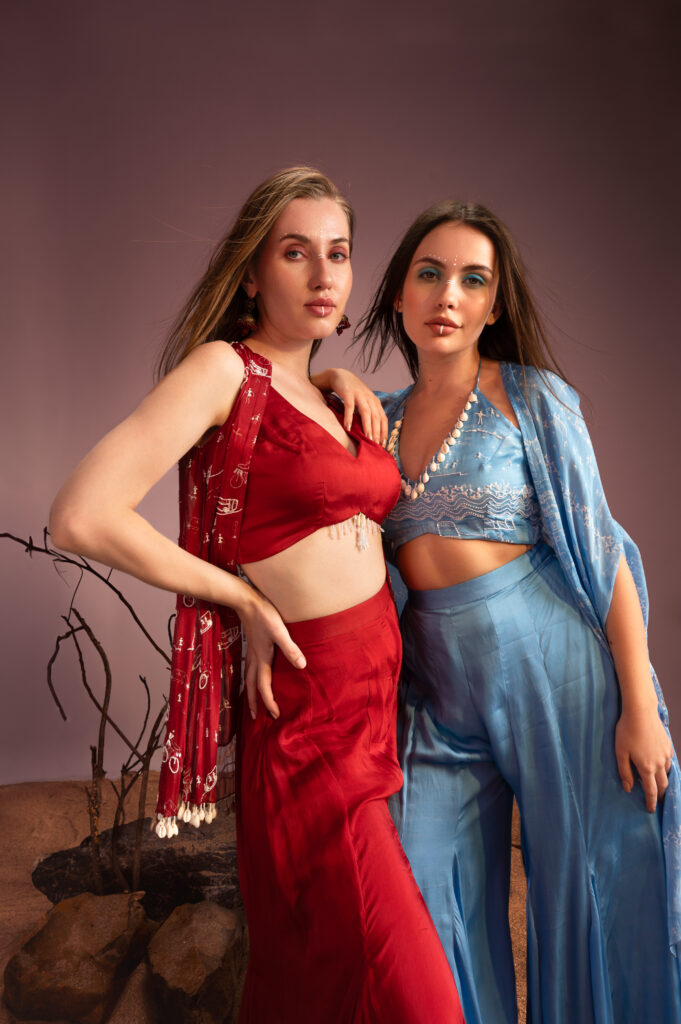
Prints are one of the most emotional elements of design for me. They carry movement, memory, and a strong sense of the hand behind them. In bridal wear especially, prints allow storytelling without excess. Each motif is developed slowly, allowing emotion to guide its form. In collections like Phool Bazaar, prints were inspired by fleeting moments and imperfect beauty, which added depth and warmth. Prints bring softness and individuality to wedding wear, helping garments feel intimate and human, with meaning that extends beyond the wedding day.
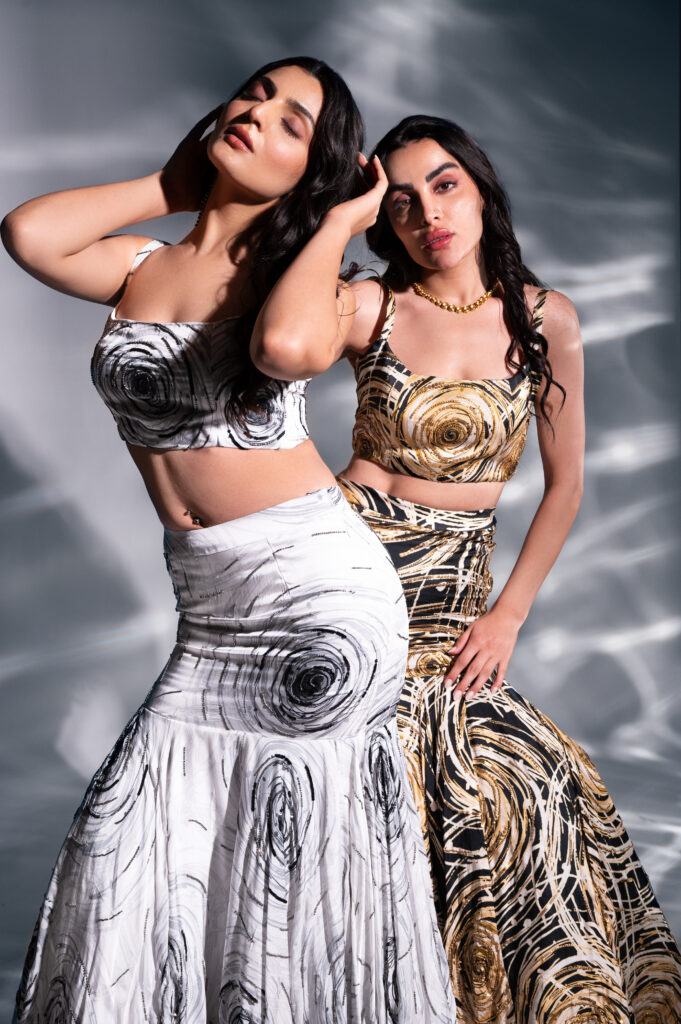
How does conscious design influence your choice of prints and techniques, especially for occasion wear that’s traditionally worn only once?
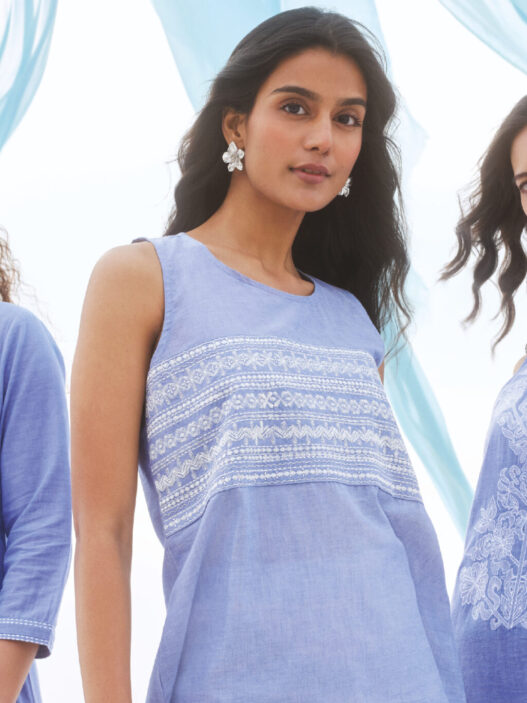
Conscious design influences how I think about longevity and emotional value. Prints are developed with the intention that they age well and remain relevant beyond a single occasion. Hand-rendered techniques and artisanal processes add depth, allowing garments to feel timeless rather than event-specific. Even in bridal wear, the idea is to create pieces that can be revisited and worn again in different contexts. When a print carries memory and craftsmanship, it naturally encourages reuse. The garment becomes something you return to, rather than something you store away.
Looking ahead, how do you see prints shaping the future of Indian wedding fashion?
I see prints becoming more personal and narrative-driven in Indian wedding fashion. Today, couples are increasingly inclined toward prints and intricate print-led embellishments like zardozi, dabka, and other detailed handwork that add depth and character to each ensemble. They are looking for meaning over spectacle, and prints offer a way to express that. Through layered motifs and artisanal techniques, designers can interpret stories, cultures, and emotions in a nuanced and refined manner.
The future feels collaborative, where prints become a shared language between the couple and the designer. Rather than following trends, wedding wear will be shaped by emotion, memory, and individuality, creating garments that feel honest, enduring, and deeply connected to the people wearing them. Our upcoming collection will further explore this direction, with a strong emphasis on distinctive prints and thoughtfully crafted designs that celebrate personal storytelling.
READ MORE: Manish Malhotra Jewellery Launches Fine Jewellery 2026 with Signature MM Armour House Cut