









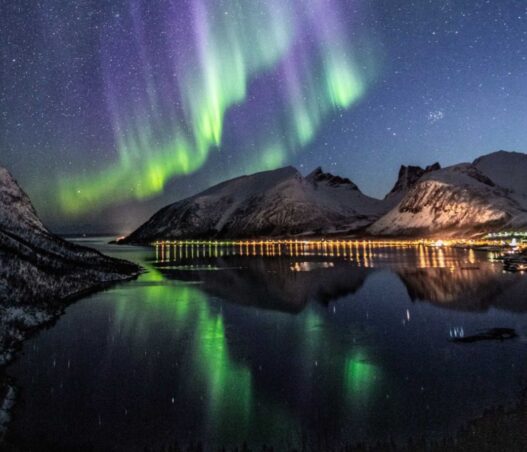
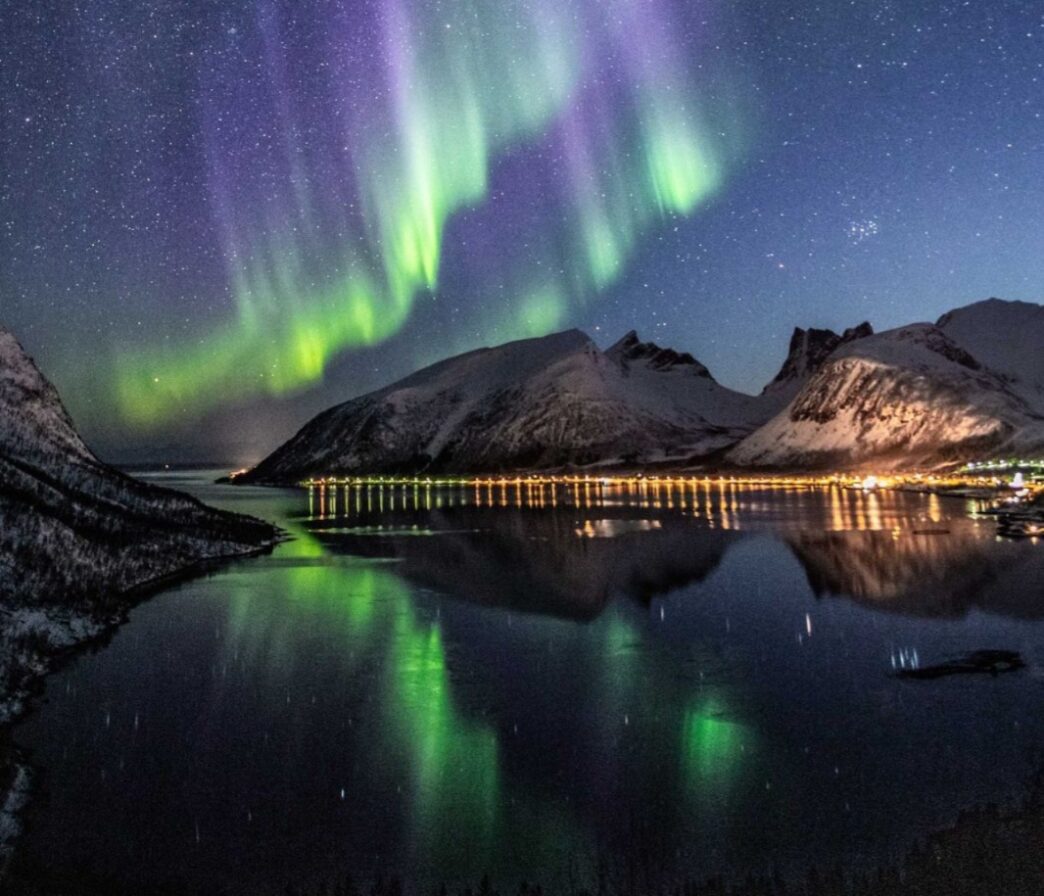
For decades, Indian travel has followed a familiar rhythm early morning sightseeing, afternoon check-ins, sunset photos, and lights out. But a quiet shift is underway. Across the country, travellers are increasingly choosing to explore destinations after dark, fuelling what industry insiders are calling the rise of “noctourism.”
From midnight heritage walks in Old Delhi to stargazing camps in Ladakh and moonlit safaris in forest reserves, India’s tourism narrative is stretching beyond daylight hours. What was once considered unconventional is now fast becoming aspirational.
The appeal of noctourism lies in perspective. Cities and landscapes transform after sunset. Temperatures cool, crowds thin, and familiar landmarks take on an entirely different personality.
In destinations like Jaipur and Udaipur, illuminated palaces and late-evening cultural performances are drawing travellers who want a slower, more atmospheric encounter with heritage. In Varanasi, the Ganga aarti has long been a spiritual magnet, but curated night walks through its labyrinthine lanes are adding a new dimension to the city’s after-hours appeal.
Meanwhile, in metro hubs like Mumbai and Delhi, guided midnight food trails and storytelling-led heritage tours are seeing growing demand, especially among younger urban travellers seeking immersive, experience-first itineraries.
Perhaps the most dramatic expression of noctourism is unfolding in India’s remote landscapes. Regions like Ladakh, with its high-altitude clarity and minimal light pollution, are becoming prime destinations for astrophotography and guided stargazing expeditions. Astronomy-led camps and dark-sky experiences are tapping into a global fascination with celestial travel.
Wildlife tourism is also adapting. Select buffer zones around reserves such as Ranthambore National Park are experimenting with controlled night safaris and nocturnal biodiversity walks, offering glimpses into ecosystems that come alive only after dusk.
This shift is not just aesthetic; it is strategic. By extending tourism hours, destinations can distribute visitor flow more evenly, easing daytime congestion while enhancing revenue opportunities.
The rise of noctourism is also climate-responsive. With rising daytime temperatures in many parts of India, especially during summer months, night-time exploration offers practical relief. Evening and late-night programming allow travellers to remain active without battling harsh sunlight.
Urban travellers, too, are influencing this trend. As work schedules grow more flexible and remote working continues, travel is becoming less rigid. Weekend itineraries now include late check-ins, midnight explorations, and sunrise returns blurring traditional timelines.
At its core, noctourism reflects a broader transformation in how Indians are travelling. The focus is moving from checklist tourism to sensory immersion. Night brings intimacy, storytelling, and a heightened awareness of sound, light, and space.
As India positions itself as a year-round, experience-driven destination, noctourism could become a defining chapter in its tourism story. By turning darkness into an asset rather than a limitation, the country is unlocking new narratives quieter, cooler, and infinitely more atmospheric.
READ MORE: Aspirants Season 3 to Premiere on Amazon Prime Video on March 13








[…] READ MORE: Why ‘Noctourism’ Is Emerging as Biggest Travel Trend […]